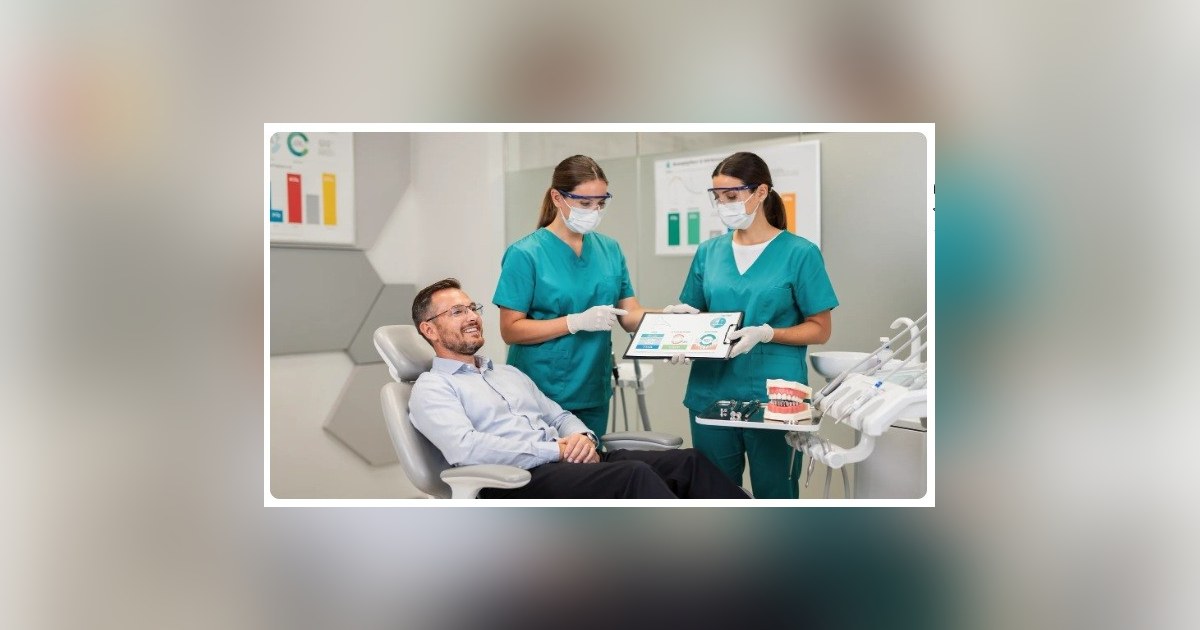
Replacing missing teeth with dental implants is a significant decision that balances oral health with financial considerations. Dental implants are designed to replace missing tooth roots and support restorations such as crowns, bridges, or dentures. According to the FDA, implants can help restore chewing ability, appearance, and aspects of oral function, while also helping preserve the bone around a missing tooth. The challenge for many patients is finding Affordable Dental Implants without sacrificing quality. The good news is that affordability does not mean choosing the cheapest treatment available. A better approach is to understand what you are paying for, compare complete treatment plans, investigate insurance and financing options, and select a qualified dental professional.
The price of dental implants can vary substantially because an implant treatment is not always a single procedure. Your total plan may involve an examination, diagnostic imaging, extraction, implant placement, healing time, an abutment, and a final crown or other restoration. Some patients may also require additional procedures before an implant can be placed, depending on their bone and gum health. This is why comparing one advertised implant price with another can be misleading. One office may advertise only the implant fixture, while another may provide a package that includes several stages of treatment. Before deciding which option is cheaper, ask for a written estimate showing exactly what is included. The FDA recommends discussing both the potential benefits and risks of implants with your dental provider and determining whether you are an appropriate candidate. A professional evaluation is therefore the starting point for finding a realistic—not merely advertised—price.
Understanding why dental implants can feel expensive is the first step toward managing costs. A complete dental implant plan can contain several components, and each one contributes to the overall cost. Depending on your situation, your treatment may include consultation, X-rays or other imaging, tooth extraction, implant placement, temporary teeth, an abutment, and a permanent crown. Additional treatment may be recommended if you have inadequate bone volume, active gum disease, or other oral-health concerns. The exact sequence depends on your individual needs, so there is no single price that accurately represents every patient's treatment. Ask your dentist to separate the costs of the surgical and restorative portions of treatment. This makes it easier to understand the estimate and identify which expenses may be covered by insurance, financing, or other payment arrangements.
One of the most effective ways to control dental implant costs is to begin with a thorough examination rather than searching only for the lowest advertised price. Your dentist needs to understand the condition of your teeth, gums, jawbone, bite, and overall oral health before recommending treatment. A proper evaluation can also reveal problems that may need attention before implant placement. Treating those issues early may help create a healthier foundation for the implant and reduce the chance of unexpected expenses later. The FDA specifically notes that overall health can affect candidacy, healing, and how long an implant may remain in place. Instead of asking only, “How much is an implant?” consider asking, “What will I need from the first appointment through the final restoration?” That question gives you a much more useful picture of your potential investment.
Every mouth is different, so two patients receiving implants can have very different treatment plans. Someone with healthy gums and sufficient bone may need fewer preparatory procedures than someone who has experienced significant bone loss or has untreated periodontal disease. Your treatment plan should explain the recommended procedures, their purpose, expected sequence, and estimated costs. It should also identify optional versus necessary services when appropriate. A clear treatment plan helps you make a financial decision based on your actual needs rather than a generic promotional offer. It also gives you an opportunity to ask questions before treatment begins.
Dental insurance may help with some portions of implant-related treatment, although coverage varies widely between plans. Some plans may exclude implants altogether, while others may provide benefits for certain procedures associated with implant treatment. The ADA notes that dental benefit plans can involve annual maximums, deductibles, waiting periods, coinsurance, and service limitations, all of which can affect what a patient ultimately pays. Before scheduling treatment, contact your insurance provider and ask for a detailed explanation of benefits. Your dental office may also be able to submit a pre-treatment estimate so you have a clearer idea of your expected responsibility.
If paying the entire treatment cost upfront is difficult, financing may make treatment more manageable. Many dental practices offer internal or external financing options, and the ADA recognizes patient financing as one approach practices may use to help patients manage treatment expenses. However, financing should be evaluated carefully. A monthly payment may look affordable while the total amount paid over time could be considerably higher because of interest or fees. Before signing a financing agreement, review the interest rate, promotional period, required monthly payment, total repayment amount, late-payment terms, and any additional fees. A payment plan is most useful when you understand the full financial commitment rather than focusing only on the monthly figure.
Price should never be the only factor when choosing an implant provider. Implant placement is a surgical procedure, and treatment requires careful planning, patient selection, placement, restoration, and follow-up. Ask about the dentist's education, training, experience with implant cases, and the types of cases they routinely treat. You can also ask what technology is used for diagnosis and planning and how complications are handled. The FDA recommends that patients ask providers about their experience with implant procedures and complication rates before proceeding. A provider who communicates clearly and answers questions thoroughly can be an important part of achieving good long-term value.
The cheapest implant quote is not automatically the most affordable option. If an inexpensive treatment results in avoidable complications or requires replacement sooner than expected, the final financial burden may be greater. Think beyond the first invoice. Consider the quality of the materials, the experience of the provider, the completeness of the treatment plan, the restoration being provided, follow-up care, and the practice's approach to complications. Dental implants can be a long-term investment in oral function and appearance. The FDA states that implants can improve chewing and appearance and may help preserve bone and support surrounding oral structures. Choosing appropriate care at a reasonable cost is therefore generally more meaningful than simply chasing the lowest promotional price.
For those ready to explore quality implant care, a trusted local provider can offer guidance. Visiting a professional like Dentist in Tyler - Dentures & Dental Implants can help patients receive a comprehensive evaluation and personalized treatment plan. Additionally, resources such as Why Dental Implants Can Feel Expensive provide further insight into cost factors. By taking a thoughtful approach, patients can achieve a healthy, confident smile without overspending.