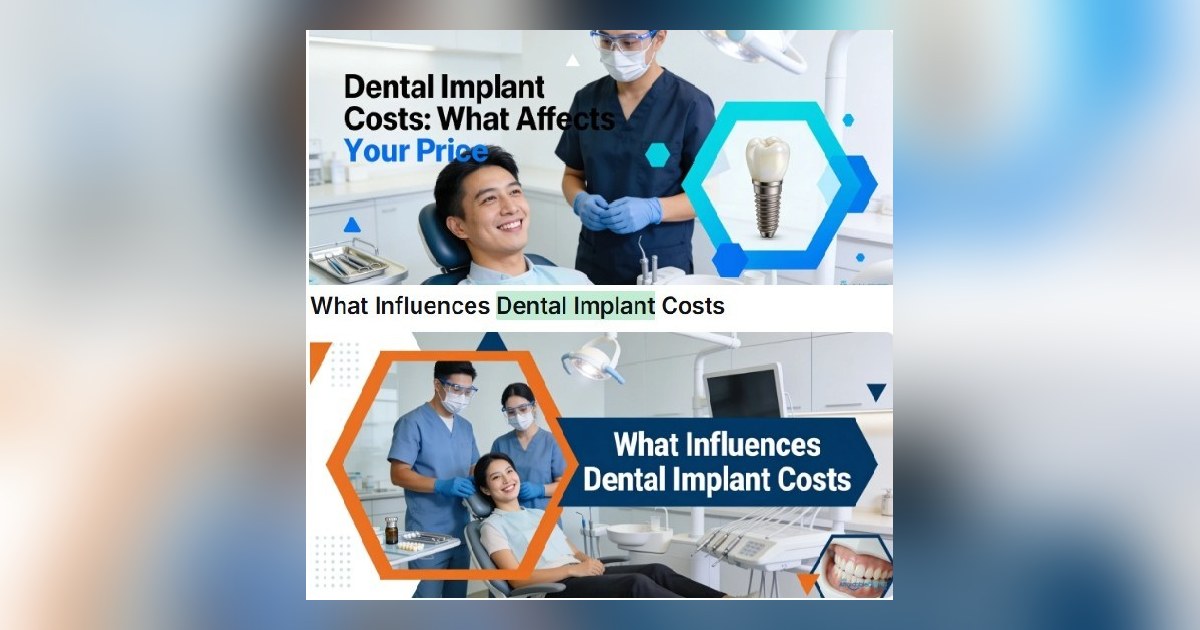
Dental implants are widely considered the gold standard for replacing missing teeth, but their high cost often deters patients. A new guide from Affordable Dentist Near Me of Dallas outlines strategies for obtaining affordable dental implants without compromising quality. The key, according to the guide, is to look beyond advertised prices and focus on the total cost of treatment, which can include consultations, imaging, implant placement, abutments, crowns, and additional procedures like bone grafting.
Understanding why prices vary is crucial. Factors such as the number of teeth being replaced, the type of implant and restoration, the complexity of the procedure, and the dentist's experience all influence the final bill. The guide emphasizes that a low initial quote may not cover every component, so patients should request a complete written estimate that itemizes each part of the treatment. This transparency allows for fair comparisons between providers and helps avoid unexpected expenses.
Comparing multiple qualified providers is one of the most effective ways to find affordable implants. Prices can differ significantly between clinics, even in the same area. When evaluating quotes, patients should ask whether the price includes the implant, abutment, crown, diagnostic imaging, follow-up appointments, and other necessary services. The guide warns against choosing a provider based solely on price, as a low-cost procedure that requires extensive correction later may ultimately cost more.
Insurance and financing options can also ease the financial burden. Traditional dental insurance may cover portions of implant treatment, such as extractions or crowns, though coverage varies widely. Patients should review their policies and ask their insurer what is covered. Many dental practices offer financing plans that spread costs over time, but the guide advises carefully reviewing interest rates, fees, and repayment periods before committing.
For those with limited budgets, dental schools and teaching clinics can be a lower-cost alternative. Treatment is performed by supervised dental students, which may take longer but can reduce expenses. Community dental programs and nonprofit clinics may also offer reduced-cost care to eligible patients. The guide suggests contacting local dental organizations and community health centers to inquire about assistance programs.
Dental savings plans, which charge a membership fee for access to discounted services, are another option. However, patients should verify whether implant-related services are included in the discount structure. Getting a second opinion before major treatment can also reveal alternative approaches or confirm the necessity of the proposed plan.
Ultimately, the guide stresses that affordable does not mean low quality. Patients should evaluate the provider's qualifications, treatment plan, materials, technology, and aftercare alongside the price. By taking a comprehensive approach—comparing providers, requesting detailed estimates, exploring insurance and financing, and considering community resources—patients can find a solution that balances cost, quality, and long-term value. For those considering implants, scheduling a consultation with a qualified dental professional is the first step toward making an informed decision.