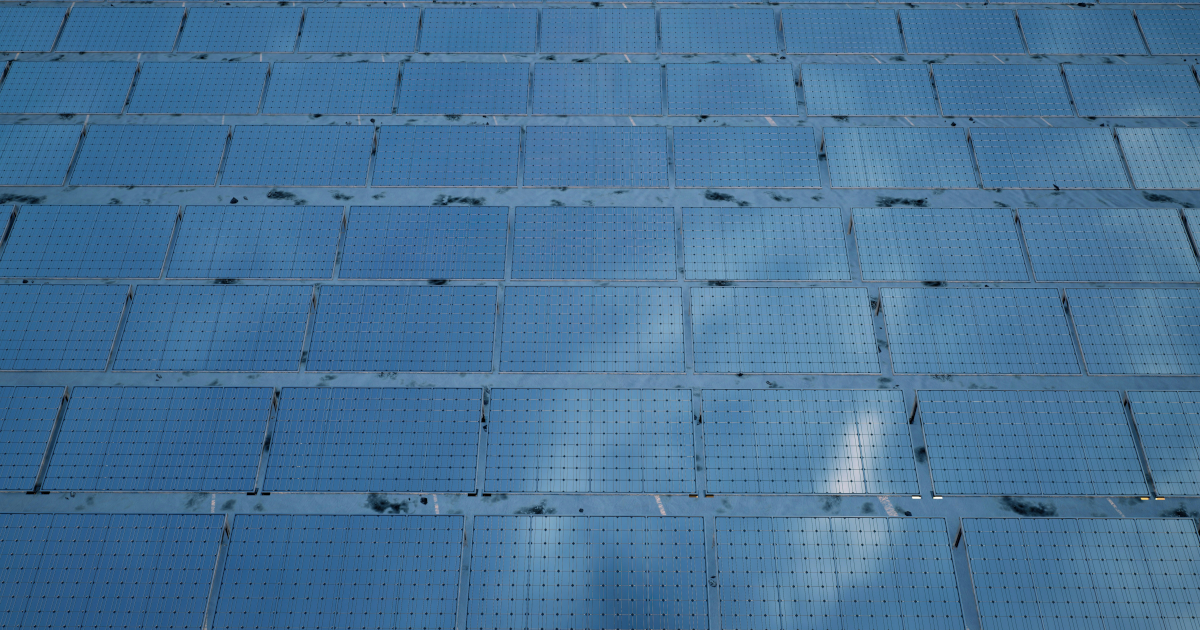
Rooftop solar panels are found in just 5% to 7% of American households, according to recent data, leaving the vast majority of homeowners and renters without access to on-site renewable energy generation. High installation costs, building constraints, and landlord restrictions have kept the technology out of reach for many. However, a smaller-scale alternative known as plug-in or balcony solar is drawing attention as a more accessible option.
Balcony solar systems are compact, plug-and-play units that can be mounted on balconies, railings, or patios and connected directly to a standard household outlet. They typically generate enough power to offset a portion of a home's electricity consumption, such as running small appliances or charging devices. As more families acquire these systems, solar energy companies like GeoSolar Technologies Inc. could come up with variations designed to meet the needs of different sizes of families or living spaces.
The appeal of balcony solar lies in its lower upfront cost and ease of installation. Unlike traditional rooftop systems that require professional installation and structural assessments, balcony solar units can often be set up by the user in minutes. This makes them particularly attractive to renters and those living in apartments or condominiums where rooftop access is unavailable or prohibited by homeowners' associations.
Industry observers note that the growing interest in balcony solar reflects a broader shift toward distributed energy resources and consumer empowerment. By enabling more households to generate their own electricity, these systems can reduce reliance on centralized power grids and lower energy bills. Additionally, they can serve as a gateway for individuals to learn about solar technology and potentially upgrade to larger systems in the future.
However, challenges remain. Balcony solar systems typically have lower capacity than rooftop arrays, meaning they cannot fully power a home. They also rely on net metering policies that vary by state, and some utilities may impose restrictions on plug-in solar devices. Safety concerns, such as the risk of backfeeding electricity into the grid during outages, must also be addressed through proper equipment and installation practices.
Companies operating in the green energy space are closely monitoring these developments. GreenEnergyStocks, a specialized communications platform focused on companies shaping the future of the green economy, provides coverage of emerging trends and innovations. As noted in their recent coverage, the expansion of balcony solar could open new market opportunities for manufacturers and installers. For more information, visit GreenEnergyStocks.com.
The potential impact of balcony solar extends beyond individual households. By democratizing access to solar energy, these systems could accelerate the transition to renewable energy at the community level. Policymakers and utilities may need to adapt regulations and grid infrastructure to accommodate a growing number of small-scale, decentralized generation sources.
Overall, balcony solar represents a promising step toward making solar energy more inclusive and widespread. As technology improves and costs continue to decline, it may become an increasingly common sight on apartment balconies and patios across the country.