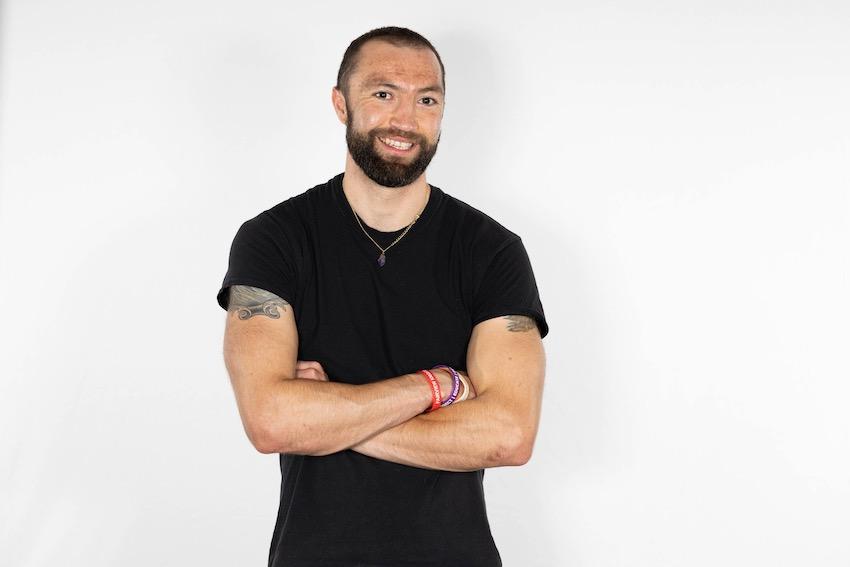
For individuals with developmental disabilities, fitness is not just about building strength or endurance; it's a pathway to confidence, independence, and better daily living. Traditional fitness programs often overlook the unique needs of those who learn or communicate differently, but James Anderson, founder of Better Everyday Athletics, advocates for a more personalized approach. His philosophy is rooted in meeting people where they are, both physically and mentally, and using movement as a tool for holistic growth.
Anderson's method, the Better Every Day Method, is built on five core principles. The first is to meet people where they are. Instead of forcing individuals into a conventional fitness regimen, Anderson starts with an initial consultation to understand each person's abilities and goals. This individualized approach ensures that exercises are adapted to the person, not the other way around. As Anderson explains, fitness should not be about bending someone to fit a program but about finding what motivates them and building from there.
The second principle, move with purpose, stems from Anderson's background in behavioral health. He learned early on that movement can serve roles beyond physical exercise, such as supporting daily routines and improving overall well-being. This insight shapes how he integrates fitness into the broader context of a person's life, making it relevant and sustainable.
Building better habits is the third principle. Anderson stresses that progress is not a one-size-fits-all concept. It might mean gaining strength, but it could also mean developing confidence, learning a new skill, or achieving greater independence in everyday tasks. Even small victories, like realizing "I can do this," are celebrated as meaningful steps forward.
Strengthening the whole family is the fourth principle, inspired by Anderson's own experiences as a father. He found that maintaining his fitness helped him manage the demands of parenthood, reinforcing the idea that healthy habits affect the entire family unit. This principle is central to his book, Legacy of Health: A Parent's Guide to Building Strength, Energy, and Longevity for the Next Generation, which encourages parents to model healthy behaviors for their children.
Finally, creating lifelong independence is the ultimate goal. Anderson's work has already shown promising results. Parents have reported that their children gained "confidence and empowerment," and one parent noted her son progressed from running a quarter mile with difficulty to running half a mile nonstop and regularly biking to the store. Julie McNeil, Day Program Director at FRIENDS of Broomfield, praised Anderson's patience and ability to understand individual capabilities before challenging clients to achieve more.
Anderson, an NSCA Certified Strength and Conditioning Specialist (CSCS) with over 15 years of experience, emphasizes that progress doesn't have to look the same for everyone. His message is clear: start with the person, not the program. By understanding where someone is and finding purposeful movement, sustainable habits can be built, leading to a little better every day. For more information, visit mybettereveryday.org or check out his book on Amazon.