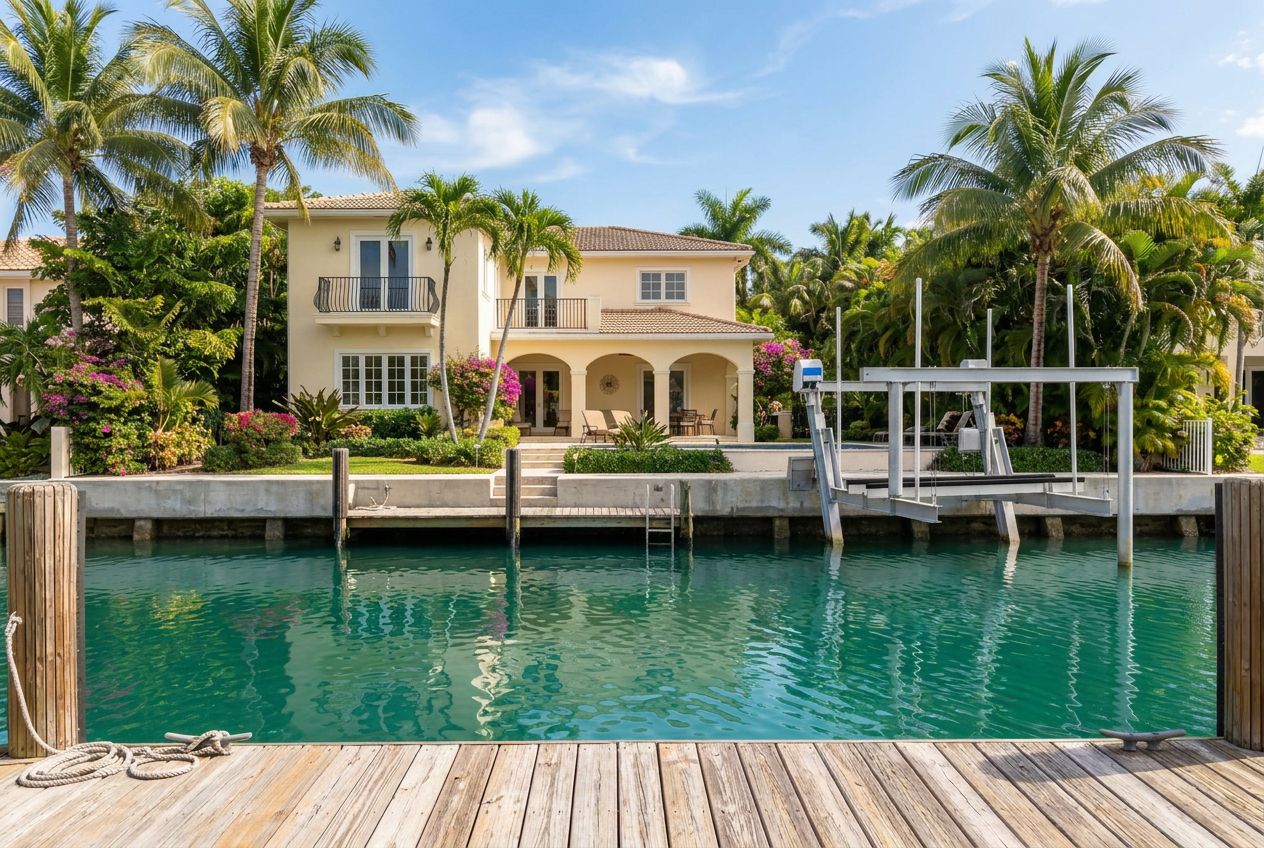
Most buyers start their Florida Keys home search online, but according to Sandy Tuttle, founder and owner of Island Welcome Real Estate, knowing "somewhere in the Keys" is not enough. With 22 years in the market, Tuttle emphasizes that the four main submarkets—the Lower Keys, Marathon, the Upper Keys, and Key West—are genuinely different places with different personalities, rules, and trade-offs.
For buyers focused on rental income, Marathon stands out. It is the only community in Monroe County that issues weekly vacation rental licenses to any home without a cap. "If someone is investment-minded and wants a better income return, we are absolutely going to suggest we explore Marathon," Tuttle said. The trade-off is a busier atmosphere with higher visitor turnover, which may not suit those seeking tranquility.
The Lower Keys, spanning from Big Pine Key to Key West, offer an older, more laid-back Keys character. Monroe County requires a 30-day minimum rental term in most unincorporated areas, reducing neighborhood turnover. "In the Lower Keys, you almost do not know which houses are rentals," Tuttle noted, as clientele tends to be longer-staying couples. Accessibility has improved with Key West International Airport offering direct flights from multiple major cities, keeping the airport within a 45-minute drive.
The Upper Keys, anchored by Key Largo, function as an extension of the Miami market. Proximity to Miami and Fort Lauderdale airports attracts buyers seeking quick getaways, but density and traffic are higher. Key West itself offers a vibrant, walkable environment with limited short-term rental licenses that command premium prices.
Tuttle advises buyers to consider daily lifestyle, boating interests, rental income goals, and long-term plans. "It is not one size fits all," she said. "Things vary quite a bit, and we have to focus on a case-by-case basis." Exploring the different communities across the Florida Keys is a useful first step before consulting a local expert.