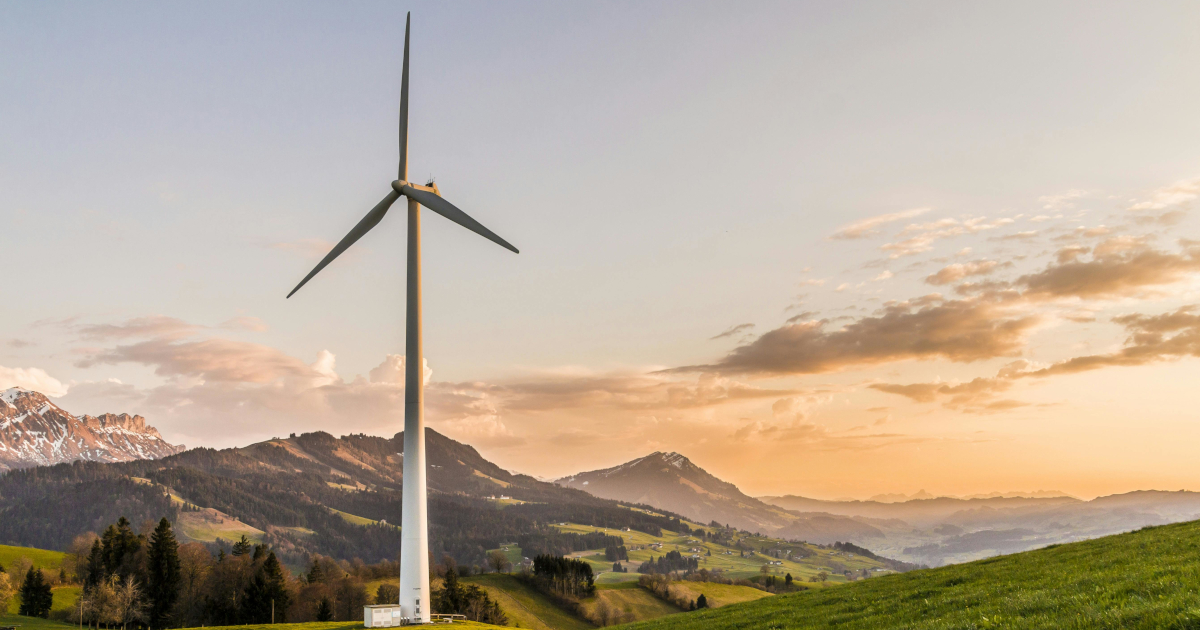
In a significant move reshaping the European renewable energy landscape, Shell has agreed to sell its entire European renewable assets portfolio to TotalEnergies. The transaction, which involves nearly 4 gigawatts of operational and in-development solar and onshore wind projects, underscores the strategic shift among oil majors as they recalibrate their investments in the clean energy transition.
This divestment marks a notable retreat by Shell from European renewables, a sector where it had previously made substantial commitments. The decision aligns with Shell's broader strategy to focus on higher-margin projects and streamline its portfolio. By transferring these assets to TotalEnergies, Shell is effectively ceding ground in the European renewables market, while TotalEnergies strengthens its position as one of the leading players in the region's renewable energy sector.
Simultaneously, TotalEnergies has announced it is divesting a 50% stake in a separate 1.2 GW renewable portfolio valued at $2.07 billion to American investment firm KKR. This dual move highlights TotalEnergies' aggressive expansion strategy, leveraging partnerships and capital inflows to grow its renewable footprint without overextending its balance sheet. The KKR deal allows TotalEnergies to recycle capital while retaining operational control, a model that is becoming increasingly common in the renewable energy industry.
The implications of these transactions extend beyond the companies involved. They signal a broader trend among oil and gas giants, who are under mounting pressure from investors, governments, and the public to reduce carbon emissions and invest in sustainable energy. As companies like TotalEnergies expand their renewable portfolios, they are joining the ranks of dedicated clean energy firms such as GeoSolar Technologies Inc., which specializes in solar and geothermal solutions. The convergence of traditional energy players with pure-play renewables companies could accelerate the energy transition by bringing massive capital, technological expertise, and established supply chains to the sector.
For Shell, the sale of its European renewables assets raises questions about its long-term commitment to clean energy. While the company has stated it remains dedicated to its overall net-zero ambitions, this divestment suggests a more selective approach, focusing on regions and technologies where it sees the strongest returns. This pragmatic strategy may appeal to shareholders, but it also risks criticism from environmental groups who argue that oil majors should be doing more to combat climate change.
On the other hand, TotalEnergies' aggressive acquisition of both Shell's assets and its partnership with KKR demonstrates a clear intent to lead the renewable energy market. By expanding its portfolio, TotalEnergies is not only diversifying its energy mix but also positioning itself to capitalize on the growing demand for clean electricity in Europe. The company's ability to attract institutional partners like KKR is a testament to the financial viability of renewable projects, which are increasingly seen as stable, long-term investments.
The energy transition is a complex and evolving process, and these transactions highlight the strategic calculations that major players are making. As oil majors like TotalEnergies expand their renewable footprints, they are not only transforming their own businesses but also reshaping the energy landscape. The entry of financial investors like KKR into renewable projects also indicates a maturing market, with greater liquidity and a broader range of stakeholders. This could lead to more efficient capital deployment and faster deployment of clean energy infrastructure.
In conclusion, Shell's divestment to TotalEnergies and TotalEnergies' partnership with KKR are emblematic of the shifting dynamics in the global energy sector. These moves underscore the importance of strategic agility in a rapidly changing industry, and they may well signal a new phase of consolidation and collaboration in the journey toward a sustainable energy future.