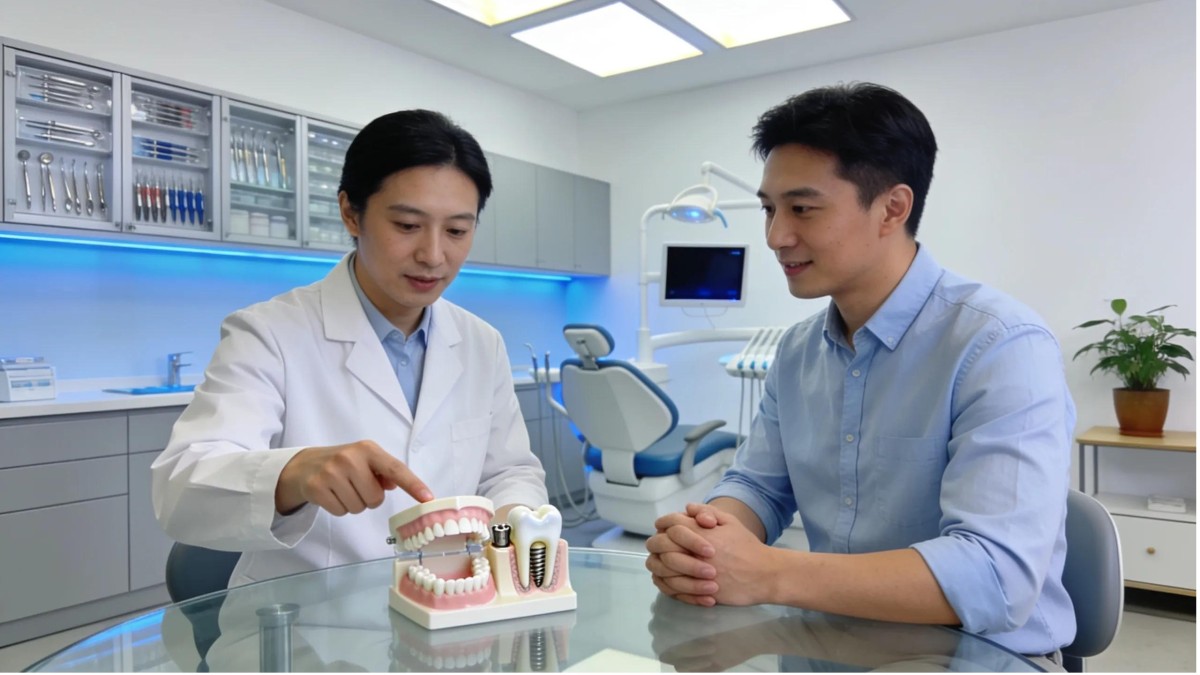
Losing a tooth can impact your confidence, oral health, and daily life. Simple activities like eating certain foods, speaking clearly, or smiling for photos may become more challenging when you have missing teeth. While there are several tooth replacement options available, dental implants have become one of the most trusted solutions because they look natural, function like real teeth, and provide long-term benefits. However, many people hesitate to consider implants because of concerns about cost. The idea that dental implants are always too expensive is common, but there are many ways to make treatment more affordable without choosing low-quality care.
Finding affordable dental implants does not mean searching for the cheapest option available. Instead, it means understanding the true value of the treatment, comparing providers, exploring payment options, and making decisions that protect your oral health. A lower upfront price may not always save money if it leads to complications, repairs, or replacement procedures later. The goal is to find a balance between cost, quality, and long-term results.
With proper research and planning, dental implants can become a realistic option for many patients. From dental financing plans and insurance alternatives to choosing the right implant provider, several strategies can help reduce expenses. This guide will explain how dental implants are priced, how to save money, and what steps you can take to get a healthier smile while staying within your budget.
Dental implants are different from traditional tooth replacement options because they replace the entire structure of a missing tooth. Instead of only covering the visible portion, implants include a titanium post that acts as an artificial tooth root. This post is placed into the jawbone, where it gradually bonds with the surrounding bone through a process called osseointegration. Once healed, a custom crown is attached to create a strong, natural-looking replacement. Many patients choose implants because they offer advantages that other options may not provide. Dentures, for example, can sometimes shift while eating or speaking, while implants are designed to remain stable. Bridges may require support from neighboring teeth, but implants help preserve surrounding healthy teeth. These benefits make implants a long-term investment rather than simply a cosmetic improvement.
Understanding the cost of dental implants begins with knowing what is included in the procedure. Unlike a simple dental filling or cleaning, implant treatment involves multiple stages and specialized materials. The total price usually covers consultation appointments, digital imaging, implant placement, the implant post, abutment, crown, and follow-up care. Several factors influence the final cost, including the number of implants needed, type of implant restoration, additional procedures like bone grafting, the dentist’s experience, and location of the dental office.
One of the most effective ways to reduce dental implant costs is to compare different providers before making a decision. Prices can vary significantly between dental offices, even within the same area. Getting consultations from multiple dentists allows you to compare treatment plans, technology, experience, and payment options. When comparing providers, avoid choosing based only on the lowest price. Ask important questions about the dentist’s training, implant materials, success rates, and what services are included in the quoted price. A provider offering a slightly higher price may include important services that prevent unexpected expenses later.
Many patients make dental implants more affordable by using financing options. Dental offices often work with financing companies that allow patients to pay for treatment through monthly installments rather than paying the entire cost upfront. Financing can make a major difference for patients who cannot afford a large one-time payment. Depending on the plan, you may have options such as monthly payment plans, low-interest financing, short-term payment arrangements, or healthcare financing programs. Before choosing a financing option, carefully review interest rates, fees, and repayment terms.
Some dental practices provide special promotions, consultation discounts, or package pricing for implant procedures. These offers can help lower your overall expenses, especially if you need multiple implants. Dental schools and teaching clinics may also provide reduced-cost implant treatment performed by supervised dental professionals. These programs often allow patients to receive quality care at a lower price while students gain practical experience. However, always research the provider carefully. Affordable treatment should still meet professional standards for safety, hygiene, and patient care.
Traditional dental insurance does not always cover the full cost of implants, but some plans may provide partial benefits for certain parts of the treatment. Coverage varies widely, so reviewing your policy carefully is important. Some insurance plans may help with dental crowns, extractions before implant placement, diagnostic procedures, or certain restorative treatments. Even partial coverage can reduce your overall expenses. If your current plan does not provide implant benefits, you may want to explore other dental coverage options during your next enrollment period.
Saving money on dental implants does not mean sacrificing quality. The key is knowing where to reduce costs and where not to compromise. Cutting corners on materials, safety standards, or professional expertise can lead to problems that become more expensive over time. Choose experience over the lowest price, as a skilled implant dentist understands how to plan treatment properly, place implants accurately, and handle potential complications. Additionally, maintain good oral health before treatment to reduce the need for additional procedures. For some patients, alternative solutions like dental bridges, traditional dentures, or implant-supported dentures may provide more affordable options. Discussing alternatives with your dentist can help you choose a solution that matches your needs, budget, and long-term goals.
Before committing to treatment, asking the right questions can help you avoid unexpected expenses and make a confident decision. Consider asking what is included in the total implant cost, what additional procedures you may need, what type of implant materials are being used, how much experience the dentist has with implants, what financing options are available, and what happens if the implant requires adjustment or replacement. A trustworthy dental professional will welcome these questions and provide clear answers.
Getting affordable dental implants is possible when you approach the process with knowledge and careful planning. While implants require an investment, there are many ways to reduce costs without sacrificing safety, quality, or long-term results. Comparing dental providers, exploring financing options, maintaining good oral health, and understanding your treatment plan can help you achieve a healthier smile within your budget. The best approach is not to search for the cheapest implant option but to find the best value. A high-quality dental implant can improve your confidence, comfort, and oral health for many years. With the right strategy, restoring your smile can be more affordable than you may have imagined.