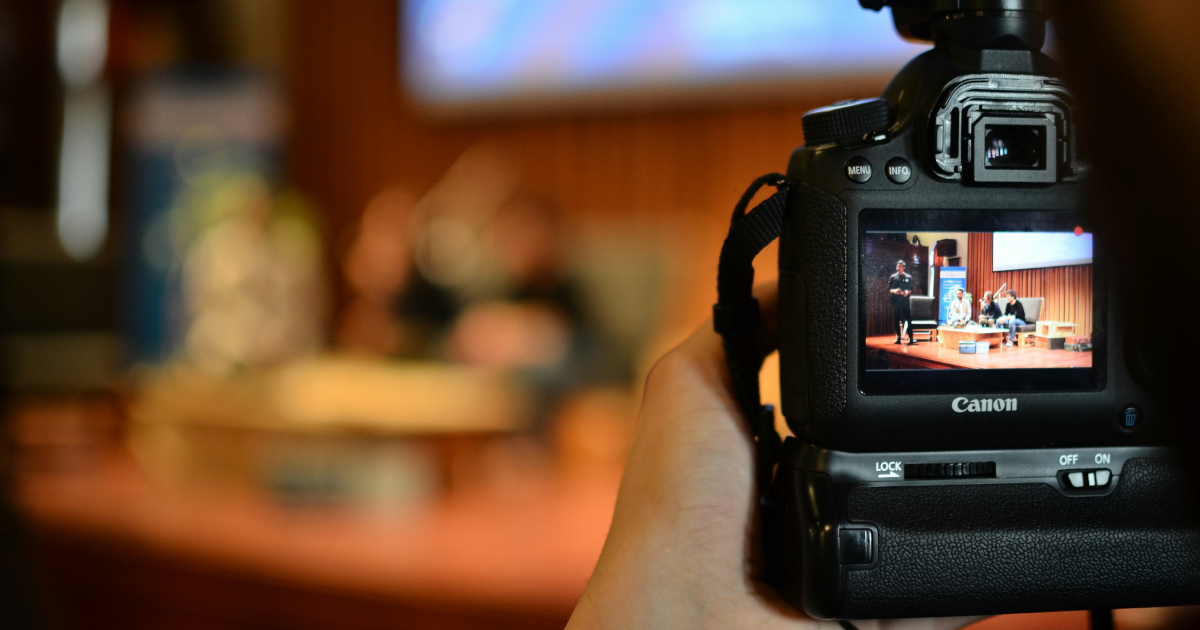
The 2026 International Human Rights Summit, held at United Nations Headquarters on July 30–31, marked a pivotal moment in the global movement for human rights education. Convened by Youth for Human Rights International (YHRI) and United for Human Rights, the summit brought together over 550 participants from 82 nations, including diplomats, educators, judges, legislators, law enforcement leaders, Nobel Peace Prize representatives, artists, and youth delegates. The event, themed "Education for Peace: A 25-Year Legacy," celebrated a quarter-century of advancing the Universal Declaration of Human Rights and launched a renewed commitment to expand human rights education worldwide.
The summit's significance lies in its emphasis on translating awareness into action. Dr. Mary Shuttleworth, President of YHRI and United for Human Rights, set the tone by challenging attendees to bring human rights education into every school, community, and nation. "When young people understand their human rights, they become champions for the rights of others," she stated, underscoring the foundational belief of the organization.
Timor-Leste served as principal sponsor, with co-sponsorship from Antigua and Barbuda, the Bahamas, Denmark, the Republic of Moldova, and Saint Kitts and Nevis, and participation from Mexico and Namibia. The presence of high-level officials and experts underscored the broad institutional support for human rights education. Notable speakers included Dr. Bertrand Ramcharan, former Acting UN High Commissioner for Human Rights; Ambassador Salah S. Hammad of the African Union; and Hon. Dr. José Antonio Michilini, a Federal Judge from Argentina. Their contributions highlighted how human rights education is transforming societies by strengthening legal frameworks, policing practices, and educational systems.
A distinctive feature of the summit was the representation of Nobel Peace Prize legacies. Dr. Ira Helfand spoke on behalf of the International Physicians for the Prevention of Nuclear War (1985) and the International Campaign to Abolish Nuclear Weapons (2017). Dr. Ash Pachauri carried forward the legacy of his father, Dr. R.K. Pachauri, whose Intergovernmental Panel on Climate Change shared the 2007 Nobel Peace Prize. Dr. Seán P. Duffy represented the humanitarian work of Dr. Albert Schweitzer (1952 Nobel Peace Prize), while Tebogo Joy Ngoma, granddaughter of Archbishop Desmond Tutu (1984 Nobel Peace Prize), shared insights on social change. These connections underscored the moral imperative of human rights education in addressing contemporary challenges.
The summit featured three international panel dialogues. The first, "Human Rights Education: A Legacy of Change," honored long-serving volunteers who have dedicated over a decade to teaching the Universal Declaration of Human Rights in schools, police academies, and community organizations. The second, "Leadership and the Way Forward," brought together professors, NGO leaders, and law enforcement professionals to discuss practical applications. The third, "Empowering the Next Generation," showcased youth delegates from Africa, Asia, Europe, and the Americas, demonstrating that young people are already leading meaningful change.
The arts also played a role in advancing the message. Mexican actress Fiona Palomo participated as a panelist, and Indian actress Sheena Chohan delivered a video message encouraging youth to champion human rights. The summit honored four individuals for their contributions: Trish Duggan (USA), founder of the Imagine Museum, for using art to promote peace; Professor Ornella Castellano (Italy), for advancing human rights education in schools; H.E. Ambassador Ireneo Namboka, former UN Human Rights Adviser, for diplomatic leadership; and Dr. Vineet Kapoor (India), Deputy Inspector General of Police, for integrating human rights into law enforcement.
The summit also highlighted the ongoing partnership with the Church of Scientology, whose support enables YHRI to provide educational materials free of charge. Beth Akiyama, Executive Director of the Church of Scientology National Affairs Office, quoted L. Ron Hubbard: "Human rights must be made a fact, not an idealistic dream." She emphasized that to achieve this, every new generation must know and protect its rights.
As the summit concluded, delegates departed with renewed determination to expand human rights education in their home countries. The event served as a call to action for educators, governments, universities, law enforcement agencies, and civil society to join the next chapter of this movement. With the mission more urgent than ever, the next twenty-five years will focus on ensuring that human rights education reaches every corner of the globe, building a foundation for lasting peace and dignity.